

.png)
Saving the best for last: The legendary “Der Weisse Rausch” ski race in St. Anton am Arlberg
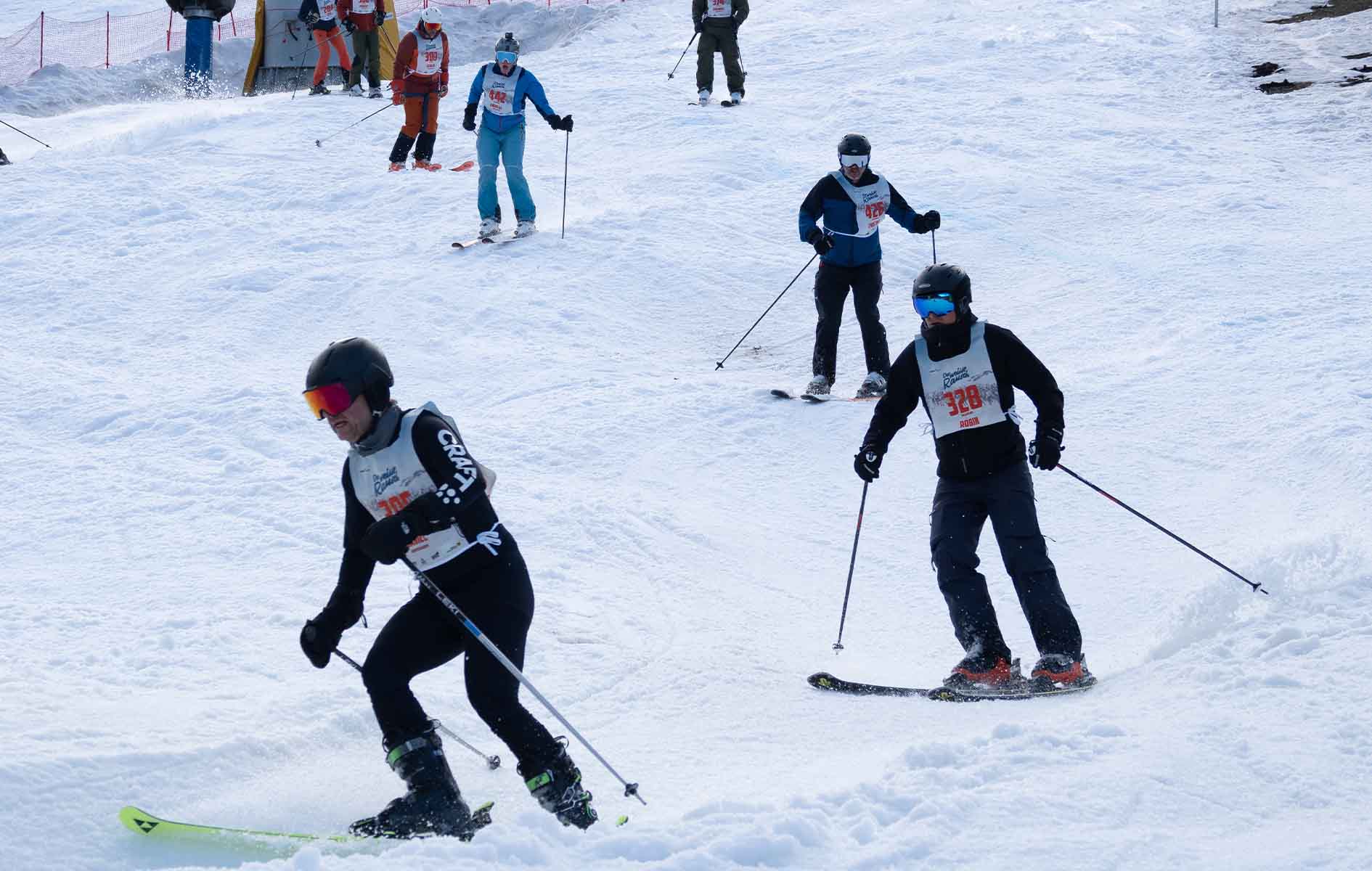
When the lifts close on the afternoon of April 17, that’s when things really get going at the St. Anton am Arlberg ski resort. It’s the day of the “Weisser Rausch”—the iconic ski race that pushes its participants to their athletic limits every year. Even during the day, there’s a crackling excitement in the air: a striking number of skiers are wearing racing suits and mask their mounting nervousness with jokes in the gondola or deliberately nonchalant expressions. And then things get serious: 555 skiers, snowboarders, and telemarkers line up for the mass start at the Vallugagrat.
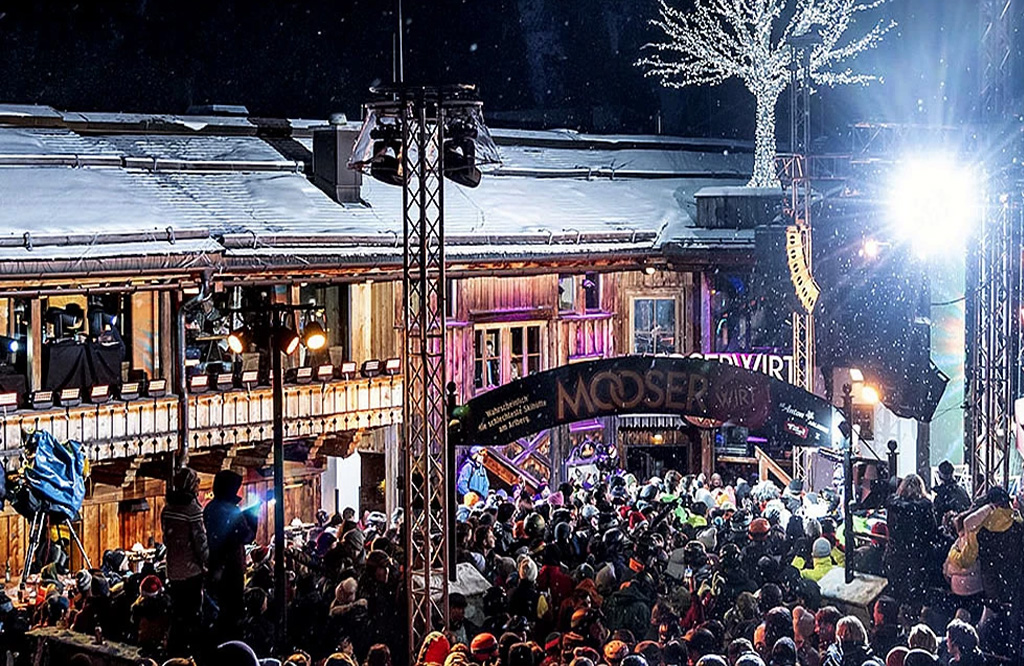
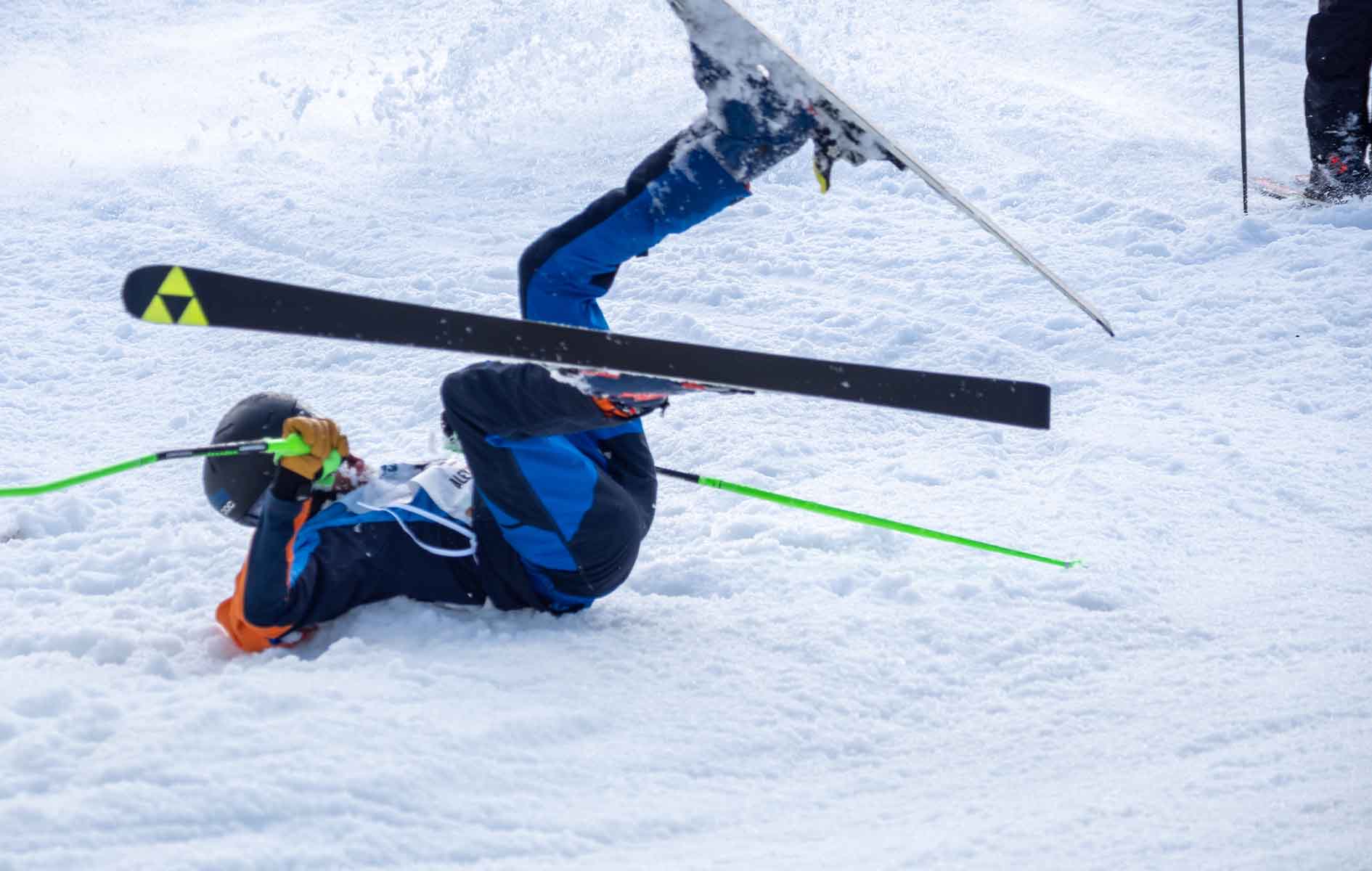
The now legendary alpine ski race “Der Weisse Rausch” draws thousands of winter sports enthusiasts from all over the world to St. Anton am Arlberg every year. In principle, anyone can participate, but some know from experience: This race isn’t for everyone. Even getting into the right position at the mass start can save crucial seconds later on. The real challenge, however, comes shortly afterward on the “Schmerzensberg”: If you rush up the roughly 150-meter-long intermediate climb too quickly, your lungs will be on fire by the time you reach the top. If you take it too easy, you’ll fall behind. The ungroomed slope also demands skiing skill and agility throughout the rest of the course. Mathias Gorbach set the record time for the entire course in 2017 at seven minutes and nine seconds. Since then, the goal has been to beat that time. Eleven to 18 minutes, on the other hand, is a good average. But that often becomes less important toward the end of the race—because by then, the only thing that matters is crossing the finish line. Spectators can watch some flamboyantly dressed participants who don’t start trickling in until half an hour later. By then, at the latest, it becomes clear—in this race, the fun doesn’t fall by the wayside.
Saving the best for last: The legendary “Der Weisse Rausch” ski race in St. Anton am Arlberg
When the lifts close on the afternoon of April 17, that’s when things really get going at the St. Anton am Arlberg ski resort. It’s the day of the “Weisser Rausch”—the iconic ski race that pushes its participants to their athletic limits every year. Even during the day, there’s a crackling excitement in the air: a striking number of skiers are wearing racing suits and mask their mounting nervousness with jokes in the gondola or deliberately nonchalant expressions. And then things get serious: 555 skiers, snowboarders, and telemarkers line up for the mass start at the Vallugagrat.
The now legendary alpine ski race “Der Weisse Rausch” draws thousands of winter sports enthusiasts from all over the world to St. Anton am Arlberg every year. In principle, anyone can participate, but some know from experience: This race isn’t for everyone. Even getting into the right position at the mass start can save crucial seconds later on. The real challenge, however, comes shortly afterward on the “Schmerzensberg”: If you rush up the roughly 150-meter-long intermediate climb too quickly, your lungs will be on fire by the time you reach the top. If you take it too easy, you’ll fall behind. The ungroomed slope also demands skiing skill and agility throughout the rest of the course. Mathias Gorbach set the record time for the entire course in 2017 at seven minutes and nine seconds. Since then, the goal has been to beat that time. Eleven to 18 minutes, on the other hand, is a good average. But that often becomes less important toward the end of the race—because by then, the only thing that matters is crossing the finish line. Spectators can watch some flamboyantly dressed participants who don’t start trickling in until half an hour later. By then, at the latest, it becomes clear—in this race, the fun doesn’t fall by the wayside.